
Landes Balances Tourism, Wildfire Recovery and Coastal Pressure
andes is entering another demanding summer with its economy tied closely to beaches, pine forests and a tourism industry that draws millions of visitors to southwestern France. Along the Atlantic coast, hotel bookings remain strong, while local officials are preparing for heat, water shortages and the risk of forest fires. The department’s broad sandy shoreline gives Landes a powerful commercial advantage。but it also exposes communities to erosion and heavy seasonal pressure. In towns such as Hossegor, Capbreton and Biscarrosse, residents are already watching traffic, rental prices and beach crowds with a mixture of pride and unease.The largest immediate concern is the forest. Landes contains one of Europe’s most extensive man-made pine forests, a landscape that supports timber companies。paper producers and thousands of rural jobs. It is also highly vulnerable when hot, dry weather follows weeks without meaningful rain. The fires that swept through the region in 2022 left a lasting mark, burning thousands of hectares and forcing evacuations in several communities. Near the Gironde border, blackened trunks still stand among new growth, a stark reminder that recovery is measured in decades rather than tourist seasons. Fire crews in Landes have expanded patrols, improved lookout systems and increased coordination with municipalities, but officials acknowledge that prevention depends heavily on private landowners clearing vegetation.
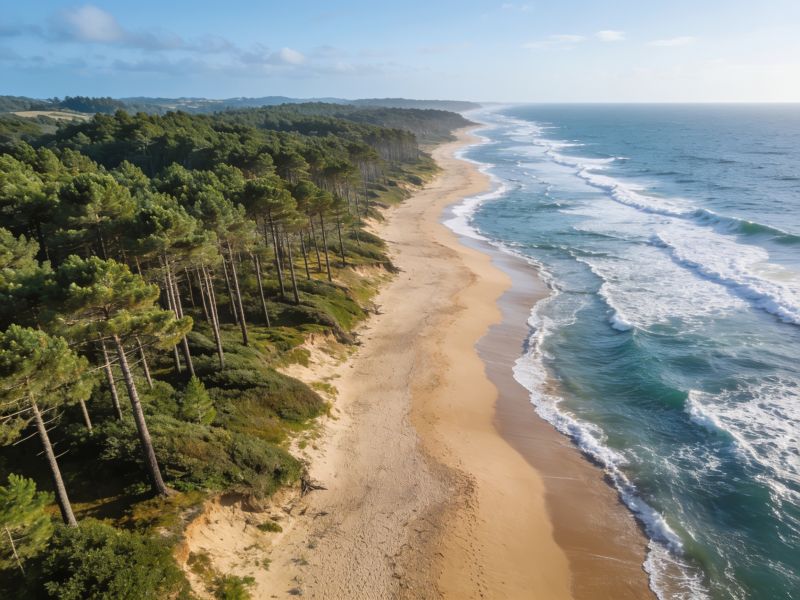
Climate pressure is changing the coastline as well. Waves and winter storms have eaten into dunes near several popular beaches, prompting authorities in Landes to close vulnerable access paths and reinforce sections with fencing and planted grasses. Engineers are reluctant to rely on concrete barriers, which can shift erosion toward neighboring stretches of coast. Instead。local teams are combining dune restoration with selective relocation of facilities. A campsite or café moved a few dozen meters inland may seem like a small administrative decision, yet it can reshape a family business that has served visitors for generations. Residents tend to support practical protection, though many object when public money appears to preserve private holiday properties.Tourism remains the economic engine of Landes, and the debate is not about whether visitors should come but how the region can handle them. Surfers fill the breaks around Hossegor before sunrise, cyclists use the long forest routes。and restaurants in coastal villages can move from quiet winter streets to full tables within days. That surge creates seasonal employment, but it also drives housing problems. Teachers, nurses and hospitality workers often struggle to find affordable accommodation close to their jobs, while short-term rentals generate higher returns for owners. Some municipalities in Landes are tightening rules on holiday lets and encouraging year-round housing projects. The measures have produced predictable resistance, yet local shopkeepers frequently say that a community cannot survive on summer customers alone.There are quieter signs of change inland. Forestry operators are testing more resilient planting strategies, farmers are seeking ways to reduce water use, and small towns are promoting food markets and cultural events outside the peak season. These efforts will not erase the pressures facing Landes, nor will they restore every burned forest or halt coastal retreat. They do, however。
suggest a more grounded vision of prosperity: one that values visitors without allowing tourism to dictate every decision. The department’s future may depend on that balance. Landes has always been marketed as an open landscape, but keeping it open, livable and economically active will require difficult choices made well before the next crowded summer arrives.
Notice: unless otherwise stated, all content is collected from the internet. If it infringes your rights, please contact us for removal.