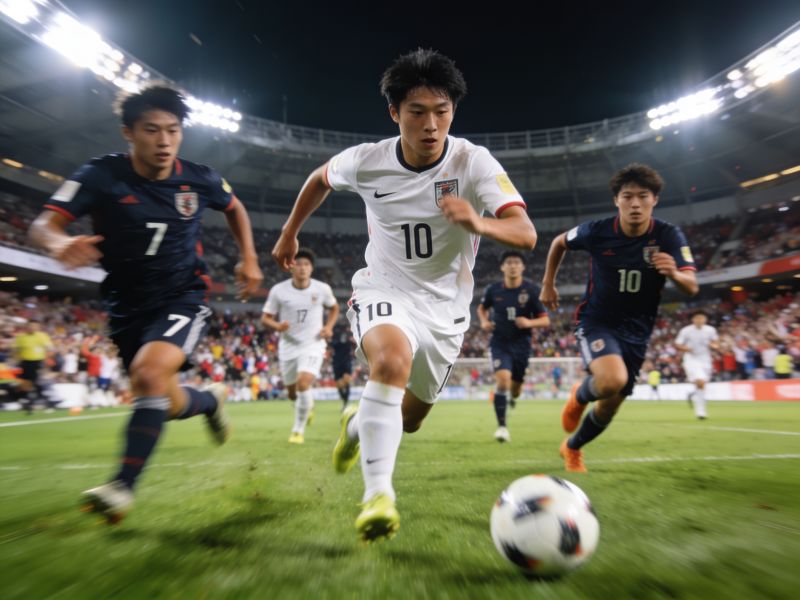
Cluj vs. Banja: A Regional Test Shaped by Pressure and Precision
Cluj vs. Banja opened with the kind of intensity that makes regional fixtures feel larger than their billing. The home side pressed high from the first whistle, forcing hurried passes and turning the opening minutes into a contest of nerves. Banja responded with compact defending, two midfield lines close together and little space between them. Cluj vs. Banja was never likely to become a slow tactical exercise;both teams arrived with reputations built on organization。physical commitment and a willingness to challenge every loose ball. From the touchline, the difference in approach was clear. Cluj wanted territory and repeated attacks down the flanks, while Banja looked more comfortable absorbing pressure before breaking into open grass. The first clear chance came after a low cross flashed across the face of goal, drawing a sharp reaction from the crowd and setting the tone for a demanding evening.The early pattern in Cluj vs. Banja also exposed the importance of midfield control. Cluj circulated possession patiently, but Banja’s central players were quick to close passing lanes and disrupt the rhythm. A misplaced square pass nearly created the breakthrough for the visitors, whose forward line immediately attacked the space behind the home defense. Cluj recovered in time, yet the warning was unmistakable: territorial dominance would not guarantee security. In this Cluj vs. Banja encounter。

every attack carried a small risk, particularly when either side committed full-backs forward. The hosts’ best moments came when their wingers exchanged positions and moved inside, dragging defenders away from the box. Banja answered with direct deliveries and second-ball challenges, a practical response that frustrated the home supporters for long stretches. The match remained scoreless, but it was far from cautious.What separated the two teams was not effort but decision-making under pressure. Cluj often had an extra pass available and occasionally took it, allowing Banja to reset its defensive shape. When Cluj accelerated, the visitors looked vulnerable. One quick combination at the edge of the area opened a shooting lane, only for the effort to sail narrowly wide. Banja’s opportunities were less polished。though no less dangerous. A turnover near midfield sent a runner toward the penalty area, and the resulting shot forced a strong save at the near post. That sequence captured the central tension of Cluj vs. Banja: Cluj possessed the tools to control the game, while Banja had the discipline to punish impatience. The home crowd reacted to every tackle and clearance, sensing that one mistake could outweigh twenty minutes of possession.After the interval, Cluj vs. Banja became more physical and less predictable. The hosts raised the tempo, using quicker restarts and earlier crosses to test the visitors’ back line. Banja gradually moved its defensive block higher, a risky adjustment that brought relief from sustained pressure but left room behind the full-backs. Cluj nearly exploited that gap when a forward reached a through ball before the goalkeeper, although the angle was too tight for a clean finish. Banja then produced its strongest spell。winning several challenges in midfield and forcing Cluj to retreat. The visitors’ bench demanded faster transitions, and for several minutes the match tilted sharply. In the stands, conversations gave way to whistles and applause in rapid succession. That reaction said more about the balance of the contest than any possession statistic could. Cluj vs. Banja had become a test of concentration as much as athletic ability.The final stages carried the atmosphere of a match neither side wanted to lose. Cluj continued to seek the decisive opening, but Banja defended the penalty area with increasing confidence and cleared crosses before they could reach their targets. At the other end, the visitors remained alert to counterattacking chances。
refusing to settle completely into a defensive shell. The most encouraging feature of Cluj vs. Banja was the competitive edge without the sense of manufactured drama;the tension came from the football itself. Cluj looked more ambitious, yet Banja’s structure repeatedly denied the clean finish that ambition required. For supporters following Cluj vs. Banja, the broader lesson was straightforward: control must be converted into chances, and resilience must eventually produce more than survival. The result may be debated, but the matchup offered a convincing reminder that regional football is often decided in the small spaces between intent and execution.
Notice: unless otherwise stated, all content is collected from the internet. If it infringes your rights, please contact us for removal.