French Fans Spark Riots in the Streets? The Evidence Behind a Viral Claim
Clashes after major football matches have revived the claim that French fans spark riots in the streets, but the reality is more complicated than the slogan suggests. In Paris, Marseille, Lyon and several other cities, celebrations have at times spilled into vandalism, street fights, fireworks and confrontations with police. Yet the phrase French fans spark riots in the streets often blurs together different groups, different locations and different motives. Following France’s 2022 World Cup semifinal against Morocco, crowds gathered on the Champs-Élysées and around major transport hubs. Most supporters sang, waved flags and went home peacefully. A smaller number threw bottles。set off fireworks or clashed with police. Those scenes produced dramatic video clips, and the phrase French fans spark riots in the streets quickly moved across social media, where short footage often stripped away the surrounding context.
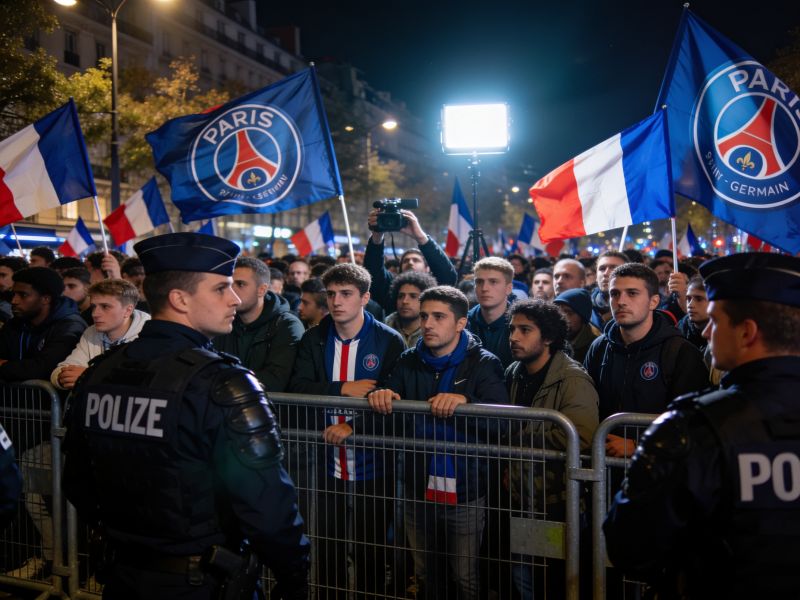
The same pattern appeared after the final against Argentina. Paris police deployed thousands of officers as supporters filled central streets, with incidents reported in several areas. Vehicles were damaged, shopfronts were targeted and officers used tear gas and crowd-control measures. In other cities, celebrations also turned tense, although the scale varied sharply from one place to another. Saying French fans spark riots in the streets may capture the mood of a viral headline。but it does not explain who was involved or why violence began. Some participants were committed football ultras, some were young people drawn by the crowd, and others appeared to be opportunistic troublemakers. Authorities rarely describe every person arrested as a football supporter. That distinction matters when a popular celebration is transformed into a national accusation.Online footage has made the claim French fans spark riots in the streets particularly powerful. A twenty-second clip showing a burning scooter can travel farther than a police statement describing an isolated incident. Videos are frequently reposted with old dates。wrong locations or captions that assign blame before investigators have completed their work. In several cases connected to post-match disorder, viewers could not tell whether a scene came from France, Belgium or another European country. The phrase French fans spark riots in the streets then becomes a searchable label rather than a verified account. It is emotionally effective because it reduces a messy public-order problem to one clear image: celebrating supporters becoming a threatening mob. That image is not entirely invented, but it is incomplete. The overwhelming majority of fans at these gatherings did not damage property, attack officers or seek confrontation.Police officials face a difficult balance. A heavy presence can prevent a crowd from becoming dangerous, yet aggressive tactics can turn nervous supporters against officers within minutes. Local authorities have used barriers, transport restrictions, alcohol controls and early closures of public spaces to limit the risk. Critics argue that blanket measures punish ordinary fans and push gatherings into less visible streets. Supporters of stronger policing respond that the phrase French fans spark riots in the streets is not merely internet drama when emergency workers are attacked or businesses face overnight losses. Shop owners in central districts have described pulling down shutters before kickoff, while residents have complained about broken glass, fireworks and sleepless nights. Those experiences should not be dismissed. At the same time。
treating every French supporter as a potential rioter can deepen hostility and make peaceful crowd management harder.The most accurate conclusion is less dramatic than the headline. French fans spark riots in the streets is sometimes used to describe real disorder after high-profile matches, but it is too broad to serve as a complete explanation. The phrase French fans spark riots in the streets hides the difference between celebration, protest, criminal opportunism and organized hooliganism. It also overlooks the role of policing decisions, alcohol, social-media amplification and long-running tensions in urban neighborhoods. Newsrooms covering future matches will need to identify locations, confirm dates and separate arrests from allegations before repeating the claim. Readers can apply the same discipline by checking whether a video is current and whether independent reports support its caption. Football can produce intense emotion without producing violence;
when violence occurs。responsibility belongs to those who commit it, not to an entire national fan base.
Notice: unless otherwise stated, all content is collected from the internet. If it infringes your rights, please contact us for removal.